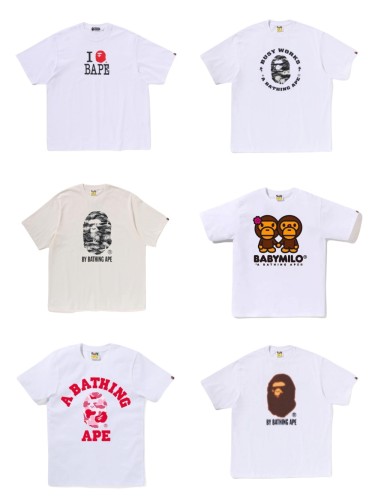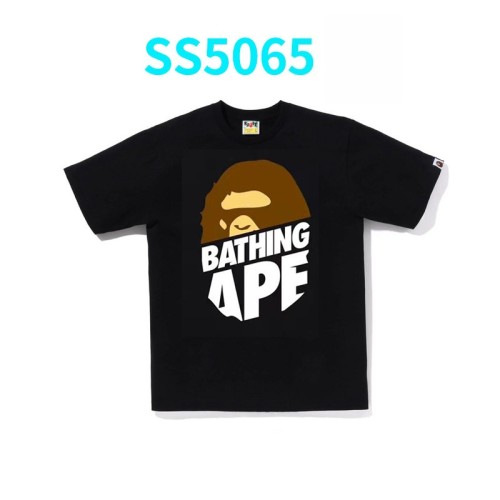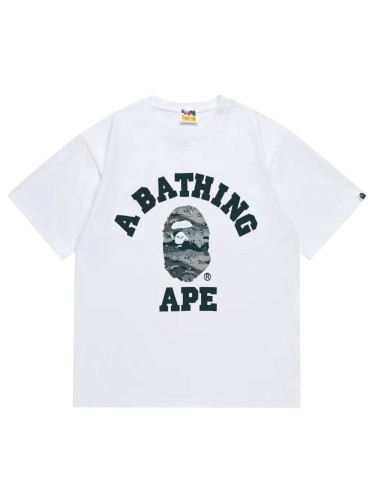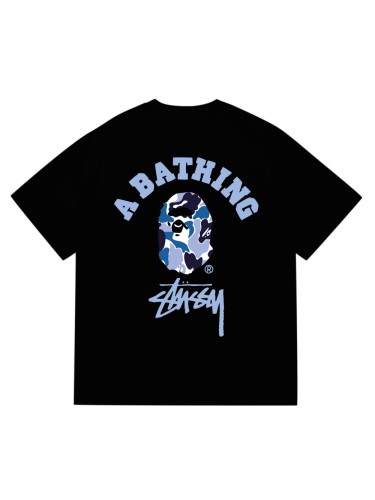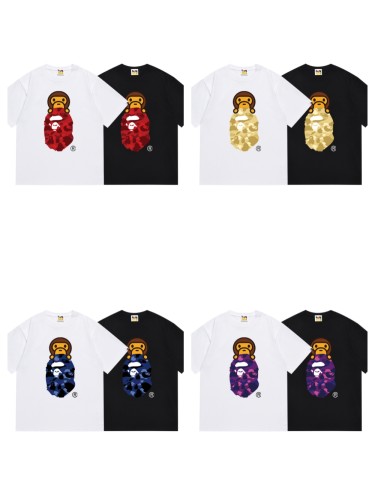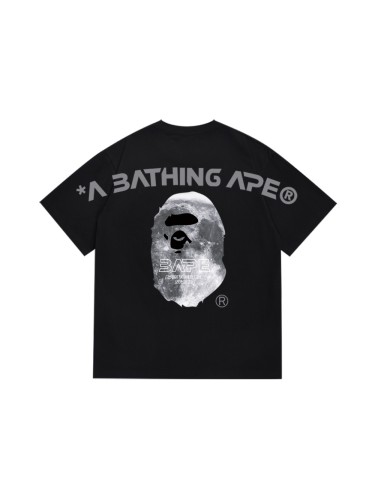
A Bathing Ape — almost universally known as BAPE — was founded in 1993 in the Ura-Harajuku district of Tokyo by Tomoaki Nagao, better known as NIGO. The name is drawn from the Japanese idiom "a bathing ape in lukewarm water," a phrase suggesting complacency and indulgence — a wry critique of consumer culture that NIGO simultaneously embraced and satirized.
From a tiny shop called Nowhere, co-founded with fellow designer Jun Takahashi (of Undercover), BAPE emerged as part of a generation of Japanese designers who reinterpreted American hip-hop culture, military surplus aesthetics, and skate style through a distinctly Japanese lens of obsessive craftsmanship and limited-run scarcity.
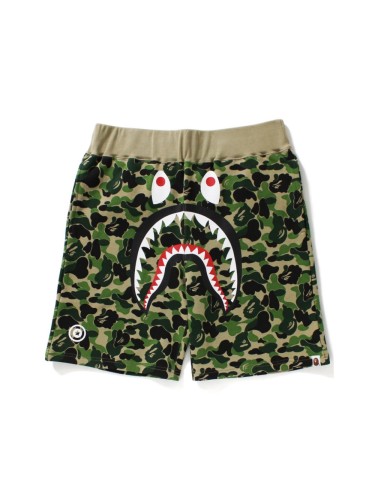
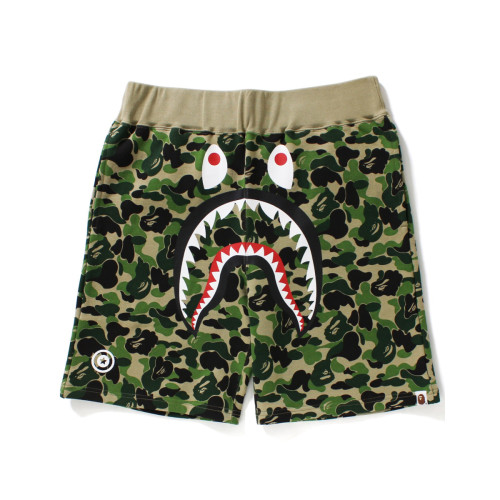
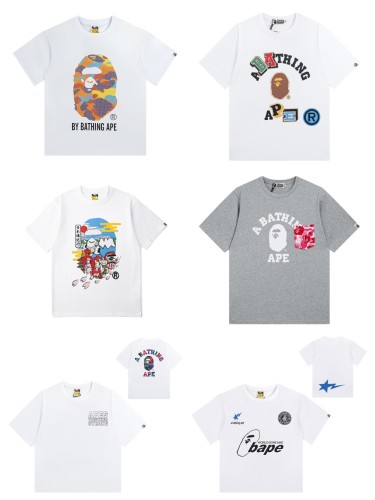
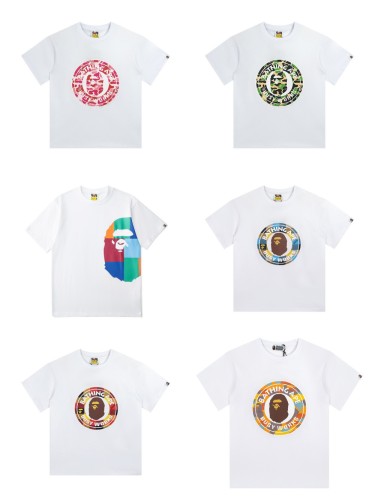
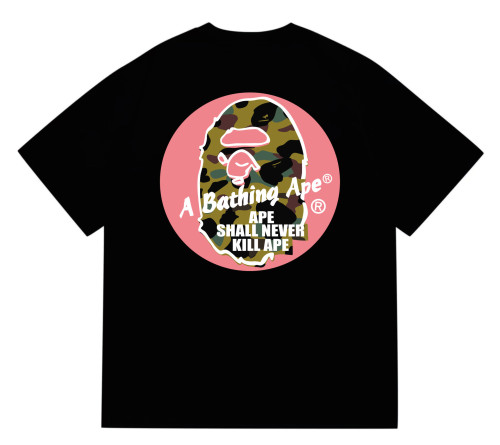
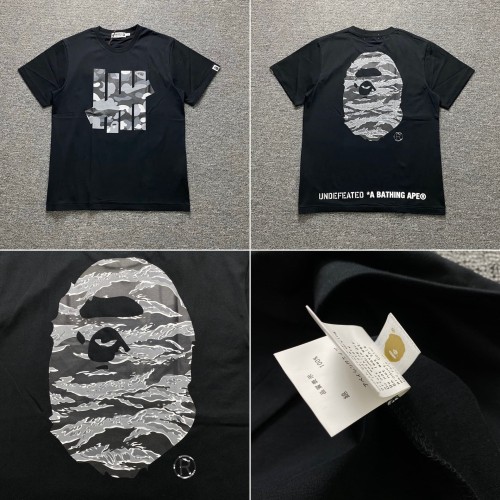
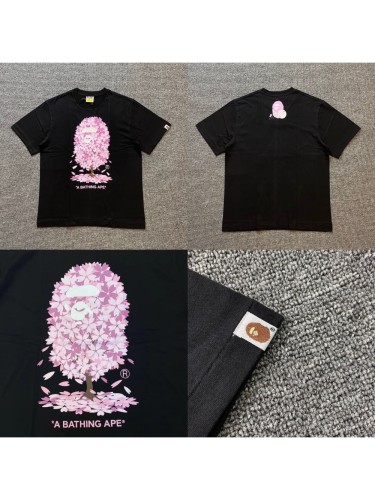
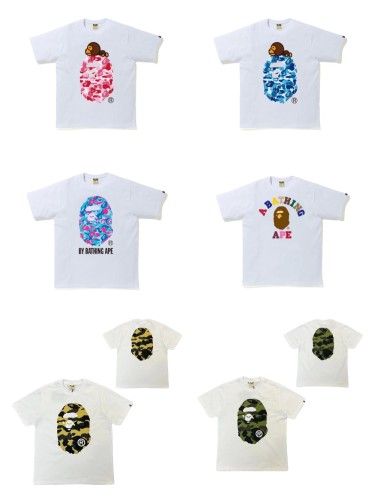
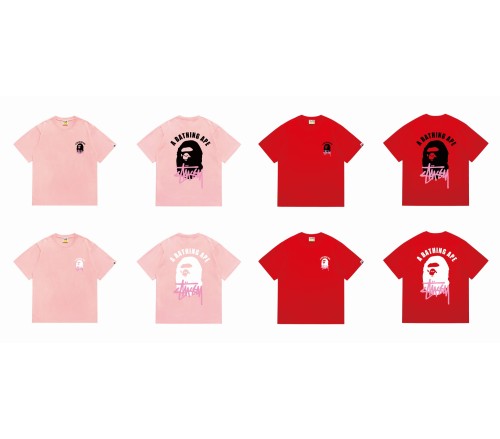
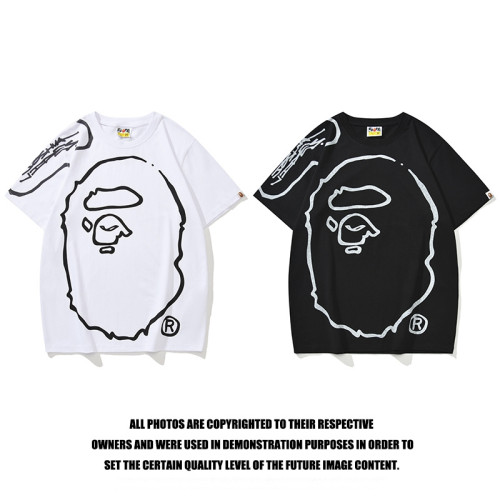
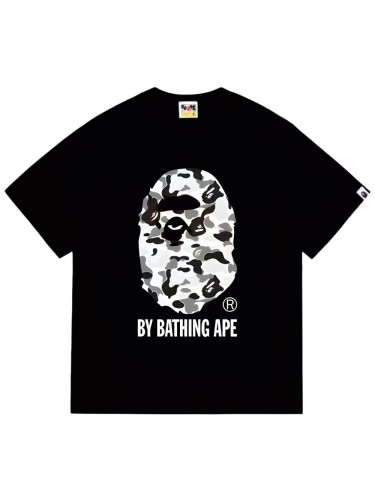
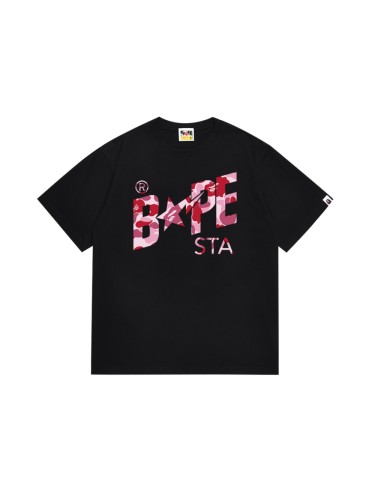
BAPE's visual identity is built around a tight set of instantly recognizable motifs:
The underlying design philosophy combines Japanese precision manufacturing with American hip-hop swagger and a postmodern wink at consumerism itself. BAPE was ironic before irony was a marketing strategy.
BAPE essentially wrote the modern streetwear playbook — one later adopted by Supreme, Off-White, and countless others. The core strategic pillars:
1. Manufactured Scarcity. In its early years, NIGO famously produced only 30–50 pieces of certain items per week and refused to advertise. Demand massively outstripped supply, creating queues, resale markets, and cult mystique.
2. Celebrity Endorsement Through Authenticity. Rather than paying for placements, NIGO gifted product to artists he genuinely befriended — Pharrell Williams, Kanye West, Lil Wayne, Notorious B.I.G., and the entire mid-2000s hip-hop establishment. When Soulja Boy rapped "hopped up out the bed, turn my swag on" wearing BAPE, the brand crossed fully into American mainstream consciousness.
3. Collaboration as Currency. BAPE pioneered the modern collab model with partnerships ranging from Adidas, Coca-Cola, and Marvel to Disney, Pepsi, and Hello Kitty. Each release functioned as both a product drop and a media event.
4. Retail as Theater. Flagship "Busy Work Shop" stores in Tokyo, New York, London, and Hong Kong were designed as immersive environments — conveyor belts of sneakers behind glass, neon-lit interiors — treating retail as cultural spectacle.
In 2011, NIGO sold BAPE to I.T Group, a Hong Kong-based fashion conglomerate, for a reported $2.8 million — a surprisingly modest figure that reflected the brand's then-struggling financials. NIGO departed in 2013 to eventually become Artistic Director of Kenzo (2021) and a key creative collaborator for Louis Vuitton menswear under Pharrell.
Under I.T's stewardship, BAPE expanded aggressively into new global markets, broadened its product range, and shifted from ultra-scarce releases to a more accessible (though still premium-priced) model. Critics argued the brand lost some of its mystique; defenders pointed to record revenues and a new generation of fans.
Pricing. BAPE sits in the upper tier of streetwear, with hoodies typically retailing between $300–$500, the Shark Full-Zip around $400–$500, and limited collaboration pieces commanding far more on the secondary market.
Resale culture. Platforms like StockX, Grailed, and GOAT have created liquid secondary markets where rare BAPE pieces — particularly vintage NIGO-era items — appreciate substantially. A first-generation Shark Hoodie in good condition can command four figures.
Current streetwear climate. The broader streetwear market has cooled from its 2017–2021 peak, with consumers shifting toward "quiet luxury," gorpcore, and Japanese workwear aesthetics. BAPE has responded by leaning into:
Beyond commercial metrics, BAPE's deeper achievement was proving that a small Japanese brand with no traditional advertising could shape global youth culture. It demonstrated that clothing could function as community signaling, that scarcity creates desire, and that streetwear could be taken seriously as design. Virgil Abloh, the late founder of Off-White and Louis Vuitton menswear director, repeatedly cited BAPE as foundational to his understanding of fashion.
Today the brand operates over 35 stores worldwide and continues to release weekly drops, but its most enduring product may be the template itself — the streetwear-as-cultural-movement model that now underpins an entire industry.
BAPE's challenge in the late 2020s is the classic heritage-brand dilemma: how to honor a 30-plus-year legacy while staying relevant to Gen Z and Gen Alpha consumers who didn't grow up with Pharrell's In My Mind era. Expect continued strategic collaborations, deeper investment in digital and experiential retail, and a careful balancing act between accessibility and the scarcity that built the brand.
Whatever direction it takes, BAPE has already secured its place as one of the most influential streetwear brands ever created — a Tokyo experiment that, three decades on, is still shaping what people wear and why.